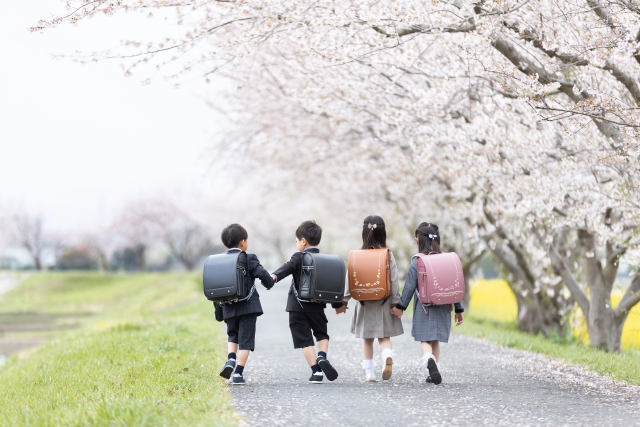
In japan,school starts in April.
When children start elementary school in Japan, many of them carry a bag called a randoseru.
It is strong, box-shaped, and made to last for six years.
For many families, buying a randoseru is an important part of preparing for school.
If you are new to Japan, the style and price may surprise you.
This guide explains what it is and how to choose one.
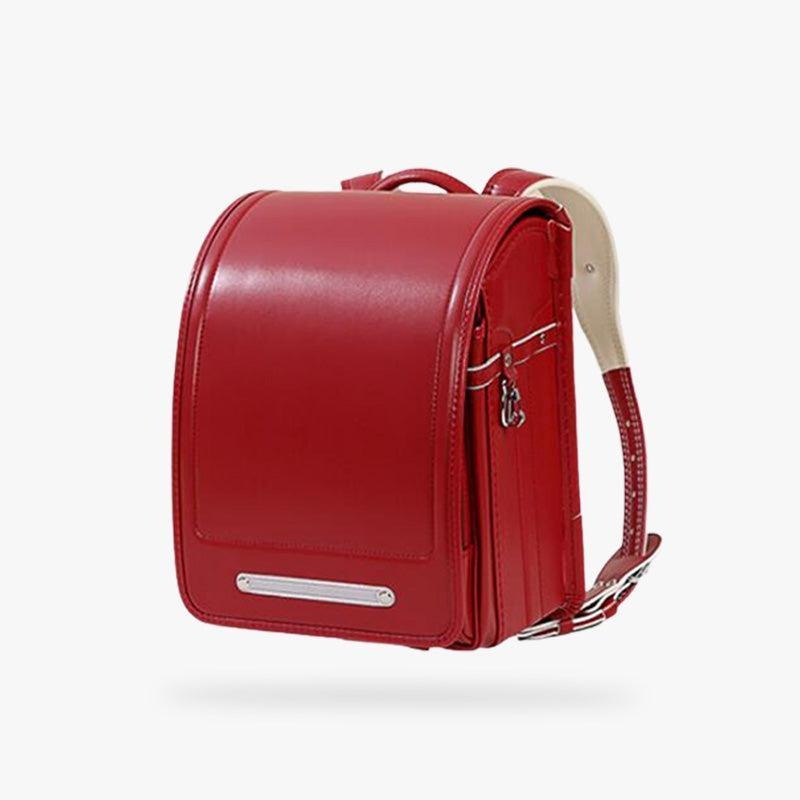
A Randoseru from the Very First Day
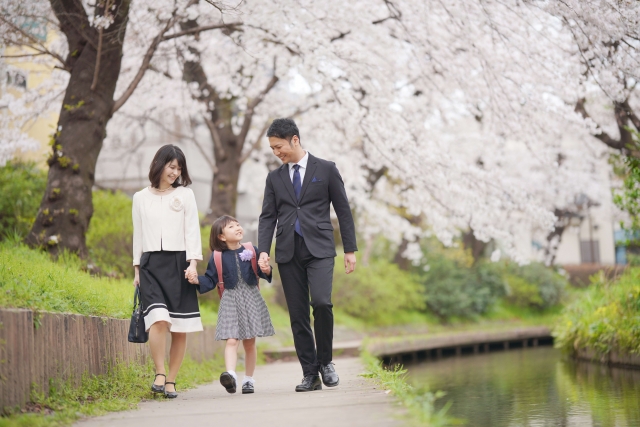
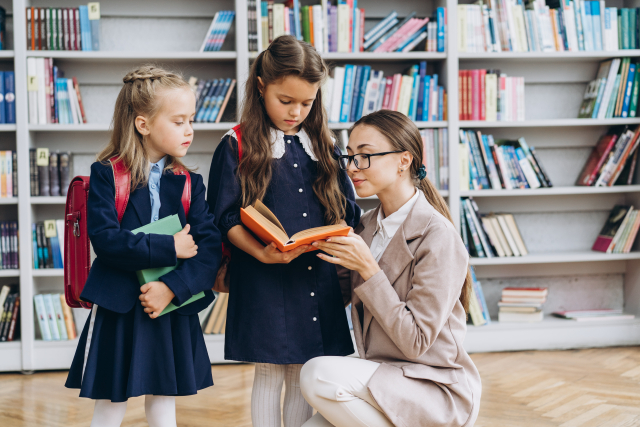
In Japan, children bring their randoseru (a traditional Japanese school backpack) from the very first day—the entrance ceremony.Since the entrance ceremony is a special occasion, both parents and children usually dress up a little. And of course, don’t forget to bring your randoseru backpack!
📖 Why do children use randoseru?
The randoseru has a long history.
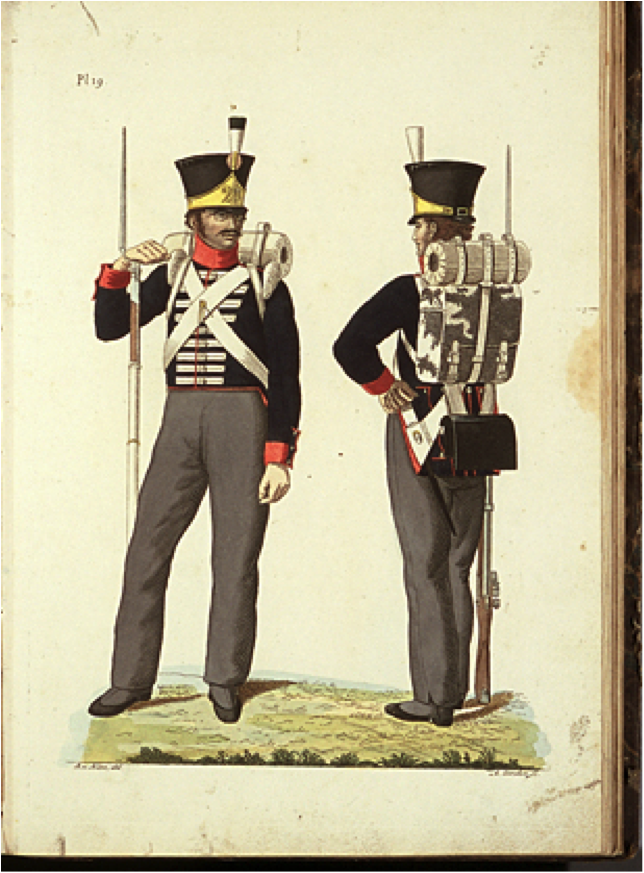
It was inspired by an old military backpack and became popular because:
- both hands are free
- it is strong
- it can carry many books
Today, it is a symbol of starting school in Japan.
Fun fact
The origin of the Japanese school backpack known as the randoseru is said to date back to the opening of Gakushuin in October 1877 (Meiji 10).
From the beginning, Gakushuin adopted school uniforms, so students’ clothing was standardized. However, the way students commuted to school varied. Some arrived by horse-drawn carriage, while others had servants carry their belongings.
The school believed that “all students should be equal at school, and differences in family background should not be brought into the educational environment.” Based on this principle, the school decided that students should carry their own school supplies. Eight years after the school opened, in 1885 (Meiji 18), students were prohibited from commuting by carriage or rickshaw and from having servants carry their belongings.
At that time, the school adopted a military-style backpack that could be worn on the back, leaving both hands free and making it convenient to carry. This backpack was called a “ransel” in Dutch, and this word eventually became the Japanese term randoseru.
Features of the Randoseru
A randoseru is designed for daily school life. Many children use the same bag from Grade 1 to Grade 6.
- Keeps its shape and is resistant to deformation
- Strongly water-resistant
- Made of leather or synthetic leather
- Equipped with reflective materials
- In many areas, children attach a traffic safety cover
- Designed to fit A4-size textbooks and materials
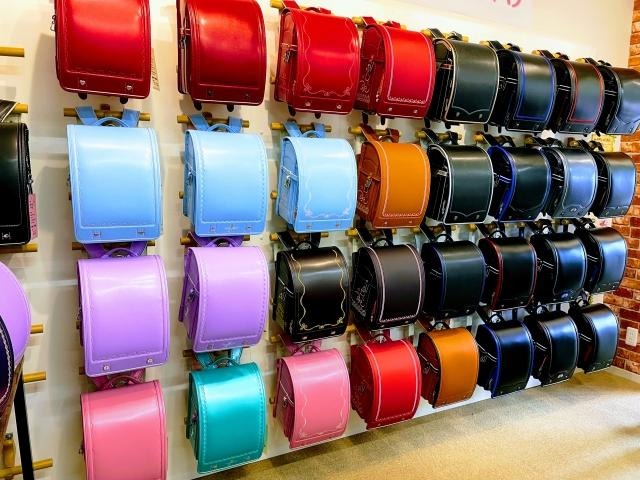
- Available in a wide variety of colors
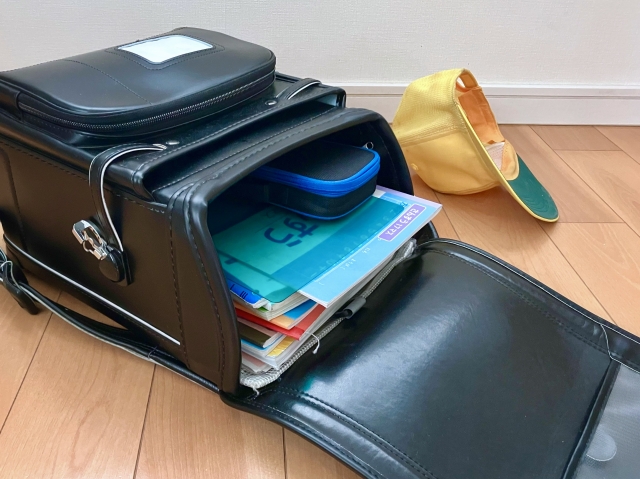
In the past in Japan, it was common for boys to use black randoseru and girls to use red ones, and many families considered this the standard.
Today, however, the variety of colors has increased greatly. Pink, blue, brown, purple, green, and many other options are available, and children can now freely choose the color they like, regardless of gender.
💰 The price
You may feel surprised when you see the price.
Many randoseru cost between
30,000 to 80,000 yen or more.
In Japan, grandparents sometimes buy it as a gift for the child.
🛍 Tips for choosing a randoseru
✔ Check your school rule
Some schools are flexible, but rules can be different.
✔ Weight matters
Children carry it every day.
✔ Let your child choose the color
They will use it for six years.
✔ Popular models sell out early
Some families buy months before April.
Where You Can Buy a Randoseru
- Randoseru specialty stores and showrooms
- Department store randoseru sections
- Special sales areas or exhibitions at large supermarkets and shopping malls (such as AEON)
- Online shops
We hope your child happily goes to school with their favorite randoseru. We wish them a wonderful school life!