
Japan is home to a wide variety of teas.
Some teas are enjoyed every day, while others are reserved for special occasions.
Let’s begin by exploring the kinds of tea that Japanese people commonly drink in their daily lives.
1. Popular Teas Enjoyed Every Day
① Green Tea (Ryokucha)
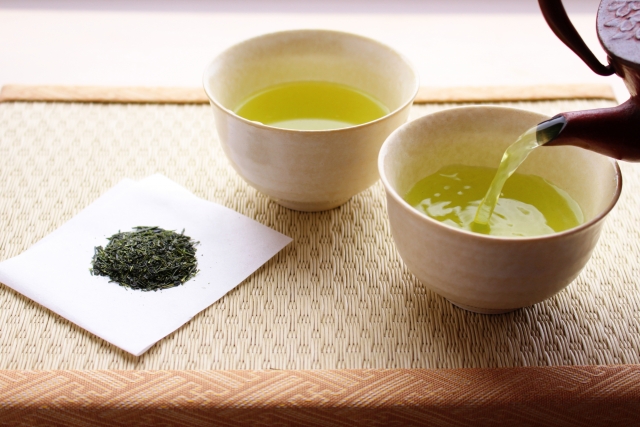
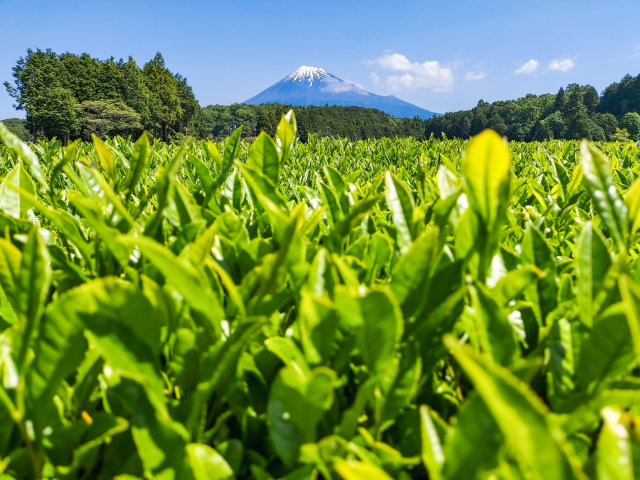
Ryokucha is the most popular tea in Japan.
Characteristics
- Made from tea leaves
- Bright green color
- Refreshing flavor with a slight bitterness
- Pairs well with meals
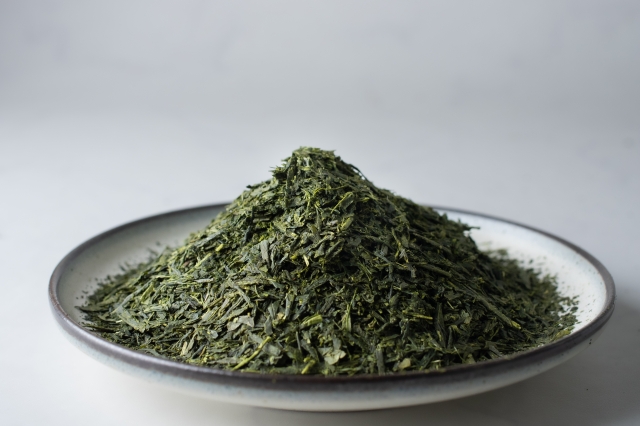
You can easily find loose-leaf tea and tea bags in supermarkets. Bottled green tea is also extremely popular and is sold at convenience stores and vending machines throughout Japan.

There are many different grades of green tea. The first harvest of the year, called Shincha (New Tea), is especially prized for its fresh aroma and delicate flavor, making it more expensive than regular green tea.
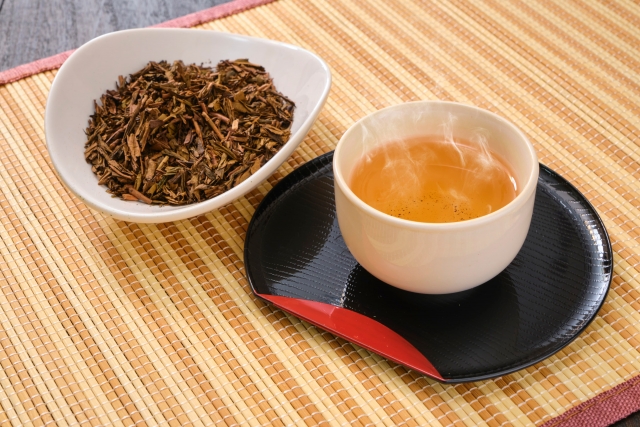
② Hojicha (Roasted Green Tea)
Hojicha is made by roasting green tea leaves at a high temperature.
Characteristics
- Brown in color
- Warm, roasted aroma
- Mild flavor with very little bitterness
- Popular after meals
- Naturally low in caffeine
Its gentle taste makes it popular with both children and adults.
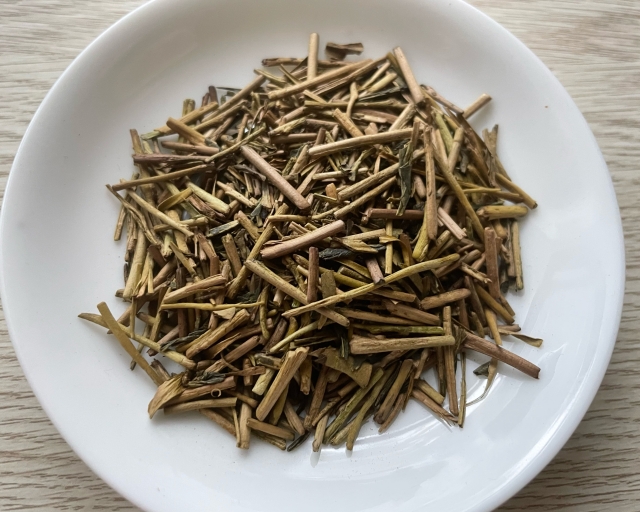
③ Genmaicha (Green Tea with Roasted Brown Rice)
Genmaicha is a blend of green tea and roasted brown rice.
Characteristics
- Toasty aroma
- Mild, comforting flavor
- Slightly nutty taste
It is one of the Japanese teas that has become especially popular around the world.
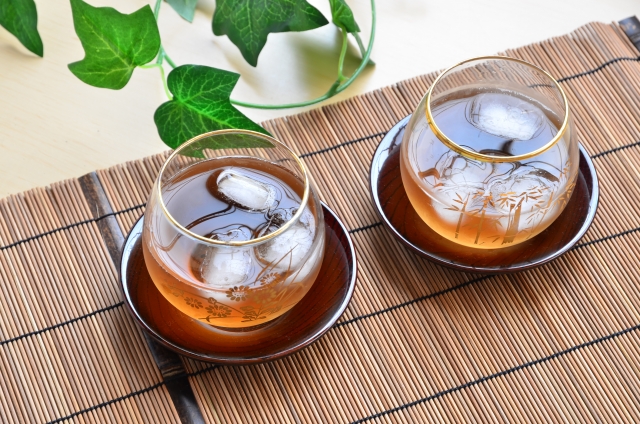
④ Mugicha (Barley Tea)
Mugicha is made from roasted barley.
Characteristics
- Brown in color
- Pleasant roasted flavor
- A favorite summer drink
- Usually served cold
- Naturally caffeine-free
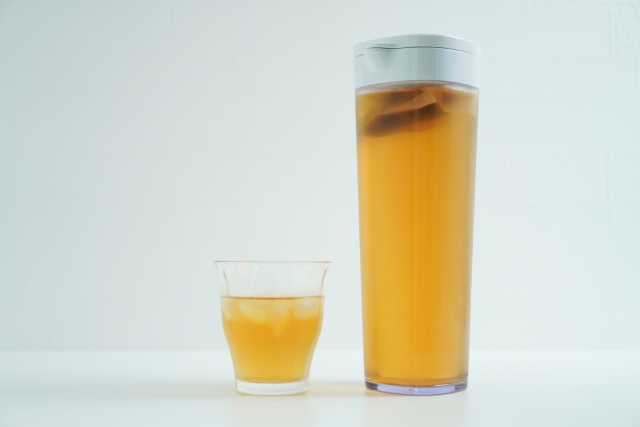
Many families prepare mugicha by boiling it in a kettle or brewing it in cold water. During the summer, it’s common to find a pitcher of chilled mugicha in the refrigerator.
⑤ Sobacha (Buckwheat Tea)
Sobacha is made from roasted buckwheat seeds.
Characteristics
- Toasty aroma
- Light natural sweetness
- Naturally caffeine-free
It is an excellent choice for relaxing after a busy day.
2. How to Brew Japanese Tea
Making delicious tea is simple once you know a few basic tips.
- Boil water.
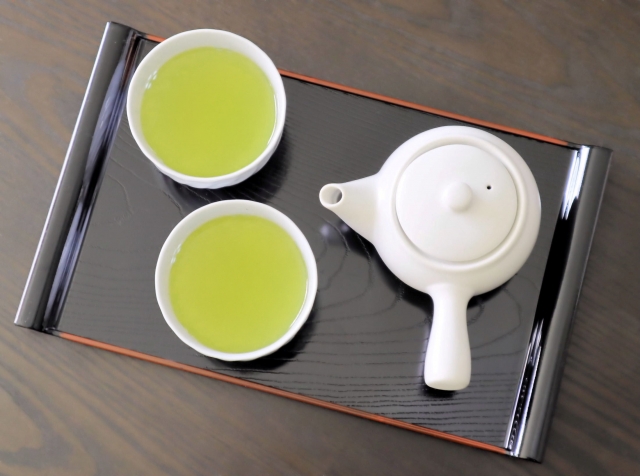
- Place tea leaves in a kyusu (Japanese teapot).
- About 3–5 grams of tea leaves per person is a good guideline.
- Pour in the hot water.
- Let the tea steep for about one minute.
- Pour the tea into cups.
Avoid steeping the tea for too long, as it may become bitter or overly astringent.
Tip: Premium green tea tastes best when brewed with slightly cooler water, around 70–80°C (158–176°F), which brings out its natural sweetness.
3. The Kyusu: A Traditional Japanese Teapot
A kyusu is a teapot specially designed for brewing Japanese tea.
It has a built-in filter that keeps the tea leaves inside while allowing only the brewed tea to be poured into your cup.
Important
Do not place a kyusu directly over heat to boil water.
A kyusu is designed only for brewing tea. Always boil the water first using a kettle or an electric kettle before pouring it into kyusu.
4. Easy Ways to Enjoy Japanese Tea
For busy people, tea bags are a convenient option.
Today, you can easily enjoy Japanese tea in many forms, including:
- Tea bags
- Cold-brew green tea
- Cold-brew hojicha
- Bottled tea
Cold-brew teas are especially popular during Japan’s hot summer months.
5. Understanding the Different Types of Green Tea
Although they are all considered green tea, their flavor, aroma, cultivation methods, processing techniques, and prices vary greatly.
① Sencha
Sencha is the most common type of Japanese tea.
Characteristics
- Japan’s most popular tea
- Fresh, refreshing aroma
- Slight bitterness and astringency
- Excellent with meals
It is enjoyed daily at home, in offices, and in restaurants.
Recommended brewing temperature: 70–80°C (158–176°F)
② Gyokuro
Gyokuro is one of Japan’s finest premium teas.
About 20 days before harvest, the tea plants are shaded from sunlight. This special cultivation method increases the tea’s sweetness and rich umami while reducing bitterness.
Characteristics
- Premium quality tea
- Rich sweetness
- Deep umami flavor
- Best enjoyed slowly in small amounts
It is often served to guests or enjoyed on special occasions.
Recommended brewing temperature: 50–60°C (122–140°F)
Using water that is too hot will prevent the tea’s delicate flavors from developing fully.
③ Bancha
Bancha is an everyday tea made from more mature tea leaves than sencha.
It has a lighter flavor and is generally more affordable. The way bancha is produced varies from region to region.
Characteristics
- Easy to drink every day
- Light, refreshing taste
- Affordable
- Commonly enjoyed at home
- Often served with meals
④ Matcha
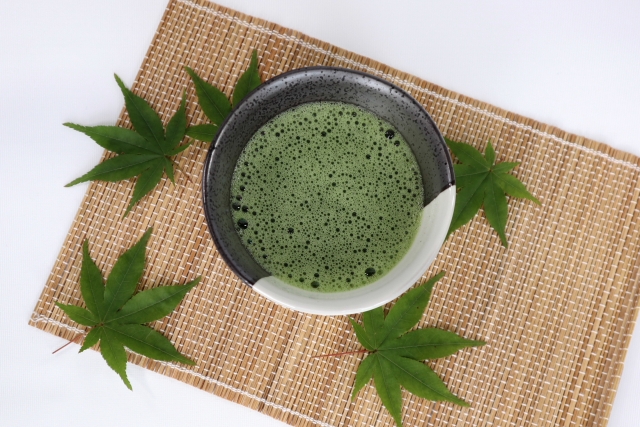
Matcha is powdered green tea.
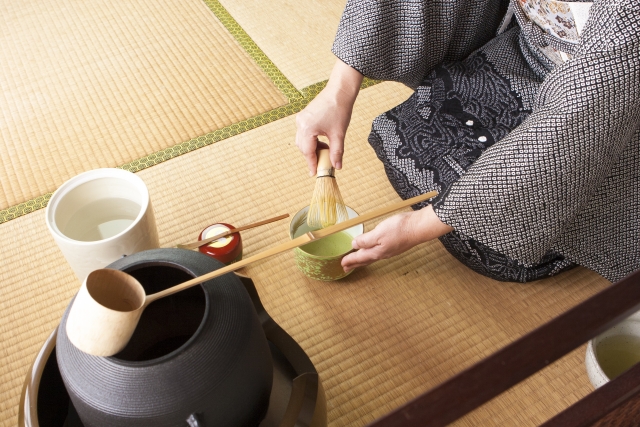
Unlike other teas, matcha is whisked directly into hot water, so you consume the entire tea leaf.
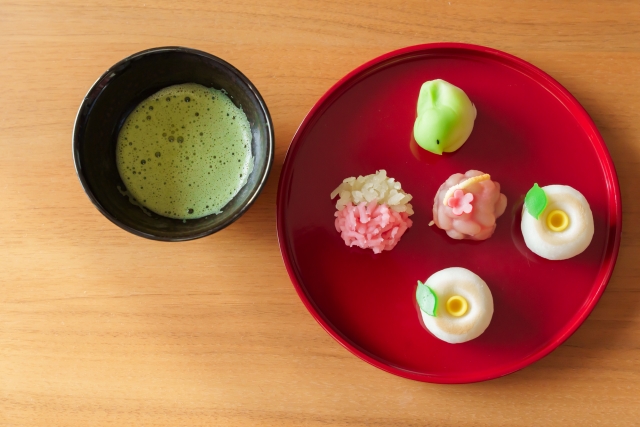
Matcha has a pleasant balance of gentle bitterness and rich umami. It is often served with Japanese sweets, whose sweetness complements the tea beautifully.
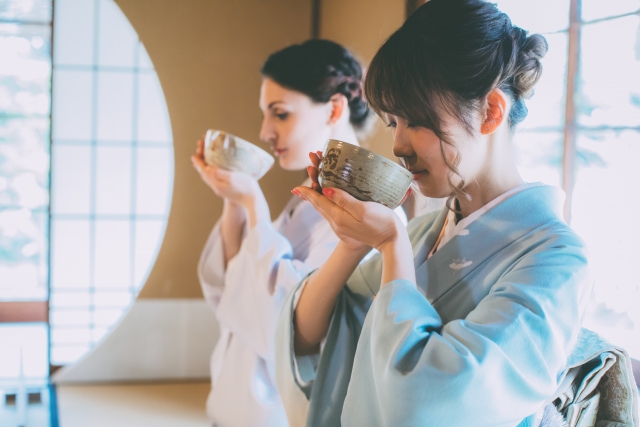
Rather than being an everyday drink, it is often enjoyed during tea ceremonies or when welcoming guests.
Characteristics
- Brilliant green color
- Rich umami with gentle bitterness
- Prepared with a bamboo whisk (chasen)
- Used in the Japanese tea ceremony
- Often served with traditional Japanese sweets
Today, matcha is enjoyed around the world as one of Japan’s most iconic teas.
It is made from a special tea called tencha, which is grown in the shade, much like gyokuro. After harvesting, the leaves are dried and carefully ground into a fine powder using traditional stone mills.
Taking time to enjoy matcha is also a chance to slow down, relax, and experience the spirit of Japanese hospitality.
Did You Know?
About 70% of all tea produced in Japan is sencha.
Gyokuro accounts for only a small percentage of production, making it one of Japan’s rarest and most luxurious teas.
In recent years, matcha has become increasingly popular worldwide and is used not only in traditional tea but also in lattes, desserts, and many other foods.
Conclusion
Japan offers a wonderful variety of teas that can be enjoyed throughout the seasons, with different foods, or simply according to your mood.
If you’re new to Japanese tea, start with green tea or hojicha and discover your own favorite.
We hope that every cup of tea gives you a deeper appreciation of Japan’s daily life, traditions, and culture.